Category: Uncategorized

  • Your HSA: A Beginner’s Guide

    Your HSA: A Beginner’s Guide

    New to a Health Savings Account (HSA)? Here’s What You Need to Know

    As the name suggests, a Health Savings Account(HSA) is a special savings account used to pay for healthcare-related expenses. An HSA has potential financial benefits for now and later.  Not only can you save pre-tax dollars in this account to pay for qualified medical expenses (QMEs), but HSAs can also provide valuable retirement benefits.

    If you’re new to HSAs, here are some tips to help you get started:

    1. Understand the Basics:
    • Triple Tax Advantage: HSAs offer a unique triple tax advantage: contributions are tax-deductible, earnings grow tax-deferred, and withdrawals for qualified medical expenses are tax-free.
    • Eligibility: To be eligible for an HSA, you must be enrolled in a high-deductible health plan (HDHP).  A HDHP is an insurance plan with higher deductibles and out-of-pocket costs.  However, HDHPs carry lower premiums than traditional insurance plans, and in most cases, the cost savings in premiums alone are significant.
    • Contribution Limits: There are annual contribution limits set by the IRS. The HSA contribution limits for 2025 are $4,300 for self-only coverage and $8,550 for family coverage. Those 55 and older can contribute an additional $1,000 as a catch-up contribution.

    2. Maximize Your Contributions:

    • Contribute Regularly: Set up automatic contributions to your HSA to make saving consistent and effortless.
    • Consider a Catch-Up Contribution: If you’re 55 or older, you can contribute an additional $1,000 as a catch-up contribution.

    3. Use Your HSA Strategically:

    • Pay for Qualified Medical Expenses: Use your HSA funds to pay for eligible medical expenses, such as doctor visits, prescriptions, and dental care.
    • Invest for the Future: Consider investing your HSA funds for long-term growth. This can be a great way to save for other future healthcare needs or even retirement.  Once you reach age 65, you can withdraw money from your HSA for any reason without penalty – only ordinary income tax due.
    • Unused HSA Funds: HSA funds can be rolled over to the next year. However, if you withdraw funds for non-medical expenses, you’ll pay income tax plus a 20% penalty.

    Money that goes in and out of an HSA is tax free as long as payments and reimbursements from the account are used only for Qualified Medical Expenses (QMEs).  QMEs are healthcare-related items or services designated by the IRS that you can write off when you do your taxes.  There are thousands of medical procedures, services and types of equipment that are considered QMEs, and the IRS frequently updates the list.

    It is important to know that your HSA account is yours – not your employers.  Unlike healthcare Flexible Spending Accounts (FSAs), which your employer technically owns, your HSA belongs to you.  So, when you leave a job, you keep all of the money you’ve saved up in your HSA and can transfer into a new HSA or employer-sponsored HSA at your next job.

    The Bottom Line

    HSAs are often referred to as triple tax-advantaged and are one of the best savings and investment tools available under the U.S. tax code.  As a person ages, medical expenses tend to increase, particularly when reaching retirement age and beyond.  Therefore, starting an HSA early and allowing it to accumulate over a long period can contribute greatly to securing your financial future.  By understanding the basics of HSAs and following these tips, you can make the most of this valuable financial tool.

  • Risk Insights: Candles and Fire Risk

    Risk Insights: Candles and Fire Risk

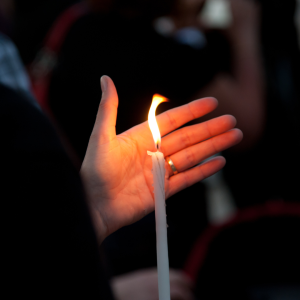
    Candles are used in various religious services and ceremonies and can be an essential part of worship. However, they can pose serious fire risks to religious institutions and should be used with caution. This article discusses the risks candles pose and how to mitigate them.

    The Risks

    Candles are a fire hazard that can cause harm to people and property. According to the National Fire Protection Association, of the 1,780 church fires reported each year in the United States, 4% are started by an open flame.

    Church fires also peak during December since there is an increased use of seasonal decorations, including wreaths, straw, wooden crèches and draped fabric. In addition to property damage, all religious organizations are at risk of candles causing harm to attendees. Hot wax can come into contact with skin or clothing, and hair could come into contact with the flame.

    Minimizing Risk

    To prevent fire damage, religious organizations must exercise caution when using candles. The best way to minimize risk is to use flameless candles since there is no open flame. Flameless candles also use little power, last a long time and look like real candles.

    If real candles are used, consider the following safe practices:

    • Choose slow-burning candles. Cheaper, low-quality candles will burn quickly, allowing the flame to get dangerously close to foliage or decorations.
    • Keep combustible materials away. Place candles in metal holders on noncombustible surfaces like stone or brick. Be sure to use holders that are capable of handling dripping wax.
    • Assign responsible people to handle and blow out candles. Great care must be taken when people hold candles during ceremonies. Supervise children to ensure they don’t get too close to other people or combustible materials. Have trusted members ensure all candles are blown out.
    • Keep matches and lighting devices in a secure spot. Store any materials involved in lighting the candles out of the reach of children.
    • Have accessible fire extinguishers and fire blankets. Be sure to train people how to use fire extinguishers properly.
    • Practice life safety. Keep exits clear at all times and have an emergency exit plan for evacuating the building promptly. The plan should also account for those with mobility issues.

    Taking simple precautions can ensure that candles are a safe part of any religious ceremony. For more information, contact us today.

    This material is for informational purposes only. It is not intended to give specific legal or risk management advice, nor are any suggested checklists or action plans intended to include or address all possible risk management exposures or solutions. You are encouraged to retain your own expert consultants and legal advisors in order to develop a risk management plan specific to your own activities.

    ChurchInsure is a division of Anchor Insurance Agencies specializing in the unique insurance and risk management needs of religious institutions. Visit our website to learn how we can serve you at anchor-insurance.com/churchinsure.

  • New Legislation Updates ACA Reporting Rules

    New Legislation Updates ACA Reporting Rules

    At the close of 2024, Congress passed two new pieces of legislation: the Paperwork Burden Reduction Act and the Employer Reporting Improvement Act. These laws simplify the Affordable Care Act (ACA) reporting requirements for employers and introduce new limits on the IRS’s authority to enforce “pay-or-play” penalties, among other changes.

    Under the ACA, applicable large employers (ALEs) and non-ALEs with self-insured health plans must report to the IRS regarding the health plan coverage they offer (or don’t offer) to their employees. Additionally, they must provide individual statements about their health plan coverage.

    Previously, ALEs were required to send a health coverage statement (Form 1095-C) to each full-time employee within 30 days of January 31 each year. The IRS allowed non-ALEs with self-insured plans to provide health coverage statements (Forms 1095-B) to covered individuals only upon request. Starting in 2025, ALEs will have the same flexibility as non-ALEs to provide Forms 1095-C upon request.

    As a result, employers are no longer obligated to send Forms 1095-C or 1095-B to individuals unless specifically requested. Employers must inform individuals about this option in compliance with any IRS guidelines. Requests for forms must be fulfilled by January 31 of the year following the calendar year to which the return pertains, or within 30 days of the request, whichever is later. These forms may be sent electronically to individuals who have previously consented.

    Although the new laws offer reporting flexibility, ALEs and non-ALEs with self-insured plans are still required to submit ACA returns to the IRS. The deadline for electronic filing is March 31, 2025.

    Additionally, ALEs may face IRS penalties if they fail to offer affordable minimum essential coverage under the ACA’s employer shared responsibility (pay-or-play) rules. The new legislation extends the time ALEs have to respond to IRS penalty assessment warning letters from 30 days to 90 days. It also establishes a six-year limit on the IRS’s ability to collect penalty assessments.

  • Risk Insights: Avoiding Slip, Trip and Fall Liabilities in Religious Organizations

    Risk Insights: Avoiding Slip, Trip and Fall Liabilities in Religious Organizations

    Slips, trips and falls are some of the most common injuries across industry lines, with religious organizations being no exception. In fact, the nature of these organizations’ operations—namely, experiencing frequent foot traffic on-site from community members and employees of varying ages—may contribute to an increased risk of such injuries. According to the latest industry research, more than 50% of injuries that occur in churches stem from slip, trip and fall incidents.

    These incidents can result in numerous consequences for religious organizations, including injured employees or community members, potential liability concerns and reputational damages. As such, it’s essential to take steps to prevent slip, trip and fall risk on-site. This article outlines ways for religious organizations to avoid such injuries and minimize associated liability issues.

    Conducting Risk Assessments

    The first step in preventing slips, trips and falls on-site is identifying hazards that could contribute to these injuries. With this in mind, it’s crucial for religious organizations to conduct periodic risk assessments to determine their properties’ specific slip, trip and fall exposures. When performing these assessments, religious organizations should review various property elements to ensure everything is in good condition and isn’t creating potential hazards. For example, issues such as loose floor tiles or worn carpeting could result in slip, trip and fall concerns. If risk assessments identify any hazards, they should be addressed immediately.

    Key internal property elements to review during these assessments include entryways, floors, stairs, hallways, handrails, pews, stages, platforms, risers and communal spaces (e.g., bathrooms and kitchens). In particular, areas with steep elevation changes or variations in floor materials should be carefully evaluated for slip, trip and fall hazards. Vital external property elements to review during these assessments include sidewalks, parking lots, entry steps, ramps, curbs, drainage areas and recreational spaces (e.g., lawns and patios). Specifically, areas with uneven or unstable ground should be closely monitored for slip, trip and fall hazards.

    Practicing Good Housekeeping

    In addition to conducting risk assessments, religious organizations must practice proper housekeeping. Doing so can ensure an organized and clean property, reducing potential obstacles and related slip, trip and fall hazards. Here are some housekeeping best practices to implement:

    • Utilize a routine cleaning regimen to ensure all walkways are kept clear of clutter and debris. Select an employee (or group of employees) to be in charge of this regimen.
    • Refrain from leaving extension cords exposed in heavily trafficked walkways, as these cords could pose tripping hazards. Be sure to cover extension cords with cord concealers and cable ties, or move them out of walkways altogether (if possible). Further, consider reaching out to a licensed electrician to discuss permanent solutions for limiting extension cord usage.
    • Have a plan in place to identify and clean up spills as quickly and efficiently as possible. Designated employees should be alerted to rope off the area and remove the mess when spills occur. The affected area should stay roped off until it is completely dry.
    • Conduct daily walkthroughs of the property to remedy any housekeeping needs before officially opening the doors.
    Maintaining Walking Surfaces and Equipment

    Ensuring safe walking surfaces and on-site equipment is another key aspect of mitigating slip, trip and fall hazards. In order to properly preserve such surfaces and equipment, religious organizations should uphold these measures:

    • Clean floors and stairs on a routine basis. Keep in mind that cleaning methods may vary between floor and stair materials.
    • Inspect floors and stairs periodically for potential damages (e.g., cracked tiles or lifted wood). Perform maintenance as needed.
    • Consider placing nonslip rugs in areas with uneven or slippery walking surfaces. Make sure these rugs remain flat on the ground. Clean and inspect these rugs regularly, watching for tears and curled edges. Replace damaged or worn rugs as needed.
    • Inspect external walking surfaces, such as curbs, sidewalks, entry steps, ramps, patios and parking lots, for potential hazards (e.g., potholes, cracks, debris, pooling water and steep elevation changes) on a routine basis. Make repairs when necessary to keep these surfaces as smooth and level as possible.
    • Equip all stairs and steps with proper handrails. These handrails should be sturdy and measure an appropriate height. Inspect these handrails periodically, performing maintenance and making replacements as needed.
    • Maintain all on-site equipment (e.g., ladders, step stools, platforms and risers). Require employees and community members to inspect this equipment for damage before use. Repair and replace equipment when necessary.
    Ensuring Visibility

    Maintaining adequate visibility is essential in preventing slip, trip and fall hazards. In order to do so, religious organizations should make sure all internal and external areas with frequent foot traffic, including entryways, hallways, stairs, steps, sidewalks, patios and parking lots, are appropriately lit. Adequate lighting in these areas will help employees and community members see where they are walking and steer clear of any hazards in their path. Additionally, religious organizations should consider marking changes in surface elevation throughout their properties with brightly colored paint or reflective tape.

    Staying Compliant

    Religious organizations can further enhance their properties and protect against slip, trip and fall hazards by staying compliant with applicable building codes and accessibility standards. Specifically, religious organizations should ensure various property elements (e.g., floors, steps and stairs) meet the requirements outlined in their respective state and local building codes. Such codes are intended to promote the safe construction of buildings. Furthermore, certain property elements should be in place to promote accessibility—namely, ramps and handrails. These elements must comply with the guidelines provided by the Americans with Disabilities Act (ADA). It’s best to consult legal counsel to determine specific building code and ADA compliance measures. If religious organizations need to make property changes to maintain compliance, they should work with trusted and qualified contractors for assistance.

    Addressing Seasonal Hazards

    It’s important to note that different seasons bring varying slip, trip and fall hazards. For instance, winter is often accompanied by icy conditions, while autumn is associated with an abundance of leaves on the ground—both of which pose safety concerns. Here’s what religious organizations can do to minimize seasonal exposures:

    • Create a snow and ice removal plan for the winter months. This plan should involve having designated, qualified employees or hired professionals shovel snow and de-ice external walking surfaces as needed.
    • Establish a leaf removal plan for the autumn months. This plan should include having designated, qualified employees or hired professionals rake and dispose of fallen leaves throughout the property when necessary.
    • Maintain proper landscaping across the property during the spring and summer months. This entails having designated, qualified employees or hired professionals cut the grass regularly, remove accumulations of greenery (e.g., weeds, algae and moss) from external walking surfaces and dispose of any lawn debris (e.g., grass clippings and fallen tree branches). If the property has a cemetery on-site, make sure these landscaping efforts extend to that area. Repair broken or damaged graves and headstones as needed.
    • Make sure adequate supplies are available on-site for snow and ice removal, leaf removal and landscaping operations. These supplies may include shovels, salt, sand, rakes and trimmers, among others.
    • Consider placing nonslip, water-resistant mats at all entryways to collect excess moisture that employees and community members may carry in on their shoes from heavy rain or snow. Keep these mats in good condition.
    • Inspect all property drainage systems to ensure they aren’t causing water or ice buildup on-site. If any problems arise, consult a trusted and qualified contractor to make repairs.
    • Have the roof and pipes assessed regularly to look for signs of leaking, as these leaks could lead to floor moisture and subsequent slip, trip and fall hazards. If any issues are detected, have them fixed immediately.
    Utilizing Safety Signage

    Lastly, religious organizations should highlight their commitment to safety and communicate proper slip, trip and fall prevention strategies on-site by leveraging property signage. This signage may include warning posters in areas with uneven ground or bulletins asking employees and community members to walk carefully rather than run on-site. Further, religious organizations may want to post signage encouraging employees and community members to wear safe, nonslip shoes on the property for added protection.

    Conclusion

    Overall, it’s evident that slip, trip and fall incidents are a significant concern for religious organizations. By implementing effective prevention strategies, these organizations can limit potential incidents, thus preventing associated injuries and liability concerns. For more risk management guidance, contact us today.

    This material is for informational purposes only. It is not intended to give specific legal or risk management advice, nor are any suggested checklists or action plans intended to include or address all possible risk management exposures or solutions. You are encouraged to retain your own expert consultants and legal advisors in order to develop a risk management plan specific to your own activities.

    ChurchInsure is a division of Anchor Insurance Agencies specializing in the unique insurance and risk management needs of religious institutions. Visit our website to learn how we can serve you at anchor-insurance.com/churchinsure.

    © 2024 Zywave, Inc. All rights reserved

  • Strategies for Buying Church Insurance (and Getting Better Rates!)

    Strategies for Buying Church Insurance (and Getting Better Rates!)

    When it comes to buying insurance for your church, you want to protect your organization and congregation the best way possible while keeping an eye on your budget. 

    But typically, it’s not a quick or easy process. 

    That’s because INSURANCE UNDERWRITERS ASK A LOT OF QUESTIONS. 

    Some insurance companies offer “quick-quote” business owner policies (BOP) for small churches and ask as few as 25 questions in their application. But most churches should plan on answering well more than 100 about your buildings, inventory, congregation, operations, activities, finances, leadership structure, youth safety, campus security, cyber security, sanitizing, vehicle maintenance, and more!

    It may take several weeks to gather the answers and provide them to your agent. And once your application is received by the underwriter, given their volume and the time of year, it can take up to 30 days to process and develop a quote. 

    That’s why we encourage you to prepare to shop for insurance for your church no less than 90 days before your policies expire. In addition, following these recommendations will help you get the best rates possible.

    Gather Your Facilities Renovation, Repair, and Replacement Records

    One of the first things an underwriter looks at when evaluating a church application is the age and quality of the buildings. Unless your buildings were constructed within the last 15 to 20 years, be prepared to provide maintenance schedules and replacement dates for:

    • Roof(s)
    • Electrical systems
    • Plumbing
    • Heating and cooling.

    While your facility may be safe and hospitable, the phrase “Repaired and updated as needed” in lieu of true repair, replacement, or renovation data is unacceptable

    Underwriters need verifiable dates, or they cannot justify giving you a preferred rate. Poor maintenance records are a surefire way to lose discounts or even have your application declined.

    Document (and Implement) Your Safety Programs

    Safety programs are critical – not only to ensure the well-being of your congregation and organization but also for the stewardship of church resources. 

    • Do you have a written safety program that includes screening procedures for ALL of your staff and volunteers, and guidelines for sexual misconduct prevention?
    • Have you completed a campus security assessment, developed a documented Safety/Security Plan, and trained ALL staff and volunteers accordingly? 
    • As COVID-19 restrictions lift, has your organization implemented a “Safe Return to Worship” Program? 
    • Have you conducted a Cyber-Risk assessment?
    • Are your by-laws, doctrinal statements, and facility usage guidelines up-to-date, and follow the recommendations of legal counsel?

    If the answer is “No” to any of the items above, not only is your church at greater risk than it should be, you’ll pay more for your insurance than if the answers are “yes.” 

    Additional Information to Gather and Provide

    • Organization Tax ID or FEIN
    • Insurance Policy Declarations Pages
    • Five years of Premium History for all policies
    • Two Most Recent Years of Financial Statements
    • Youth Safety Guidelines – i.e. “Safe Sanctuaries”
    • Employee Handbook – including applications and specific content
    • Vehicle ID Cards, Drivers Lists, and Maintenance Logs
    • Payroll and Housing Allowance for both W2 and 1099 Staff
    • A list of all parties that must be named as certificate holders or additional insureds on your policies, such as lenders and lessors
    • Five Years of Claims History a.k.a. “Loss Runs”

    Work with an Independent Church Insurance Specialist

    Insurance is a necessity for every church. Unfortunately, many policies written by inexperienced or general agents contain gaps and insufficient coverage limits, leaving your organization exposed. 

    Choosing an experienced, independent agent that understands the unique needs of churches is vital to protecting the people you serve and your bottom line.

  • In Defense of Religious Liberty

    In Defense of Religious Liberty

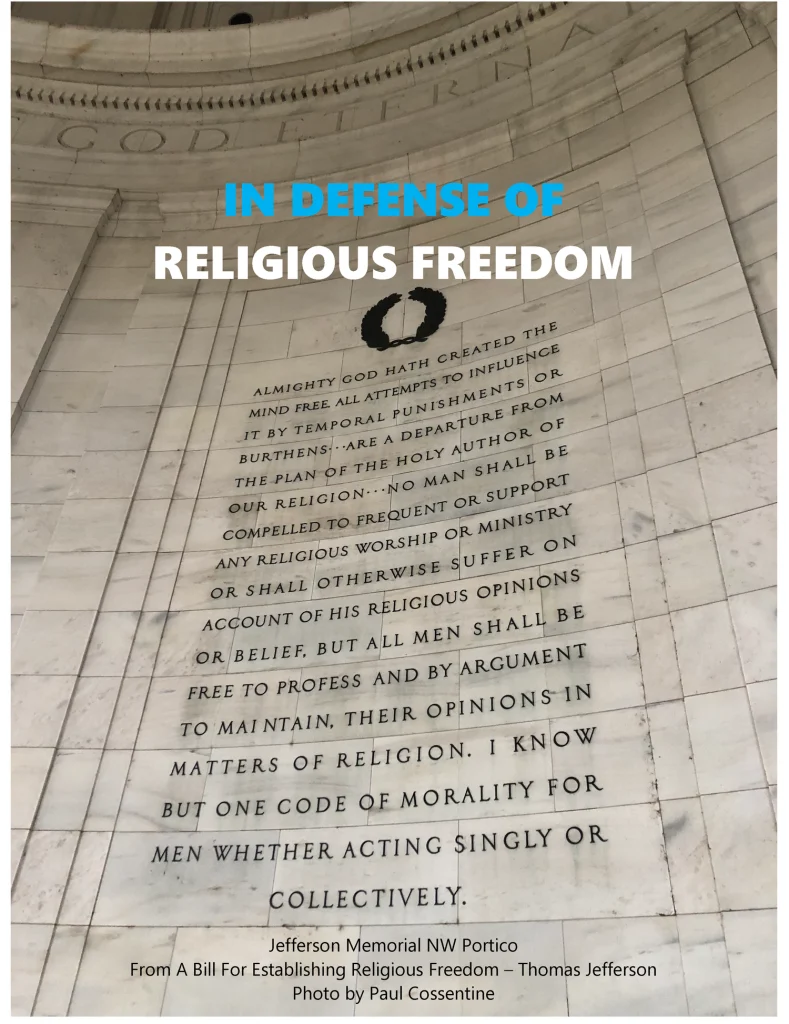
    Across the street from the First Christian Church of Fredericksburg, VA, the Thomas Jefferson Religious Freedom Monument stands in tribute to the Virginia Statute for Religious Freedom written by Thomas Jefferson and passed by the Virginia General Assembly on January 16, 1786.

    Fifty-three miles to the north in Washington DC, an excerpt from the statute is inscribed on the northwest interior wall of the Jefferson Memorial (cover photo). It includes, “No man shall be compelled to frequent or support religious worship or ministry or shall otherwise suffer on account of his religious opinions or belief, but all men shall be free to profess and by argument to maintain, their opinions in matters of religion.”

    The statute served as the forerunner of the First Amendment protections for religious freedom incorporated into the Bill of Rights in 1789 that read “Congress shall make no law respecting an establishment of religion, or prohibiting the free exercise thereof…”1

    We indulge in this brief history lesson and monument tour because in 2021, just a short e-scooter ride from the Jefferson Memorial debates wage in the legislature over the interpretation and application of protections for faith organizations that are rooted in the First Amendment’s opening clause.

    Sponsored by members of the Democratic Party, two pieces of legislation in question are the H.R. 5 Equality Act and the reintroduced H.R. 1378 Do No Harm Act.

    According to the Americans United For Separation of Church and State, “The Equality Act builds on our nation’s existing civil rights laws to expand comprehensive nondiscrimination protections in employment, housing, public accommodations, government services, health care, education and other areas of life for LGBTQ people, women, people of color, immigrants and religious minorities…while the Do No Harm Act (serves to) prevent the Religious Freedom Restoration Act of 1993 (RFRA) from being misused to get out of complying with a wide range of laws that protect people from harm.”2

    But opponents of these bills point to the omission of exemptions for religious institutions as a direct threat to churches, schools and other ministries that could prevent them from living out biblical beliefs on marriage, sexual morality, and gender.

    While Title VII of the 1964 Civil Rights Act and the RFRA still provide a level of exemption for faith-based organizations from discrimination in hiring on the basis of religion, I asked David Gibbs III, who serves as the president and general counsel of the National Center for Life and Liberty (NCLL) – a legal ministry that protects the rights of churches and Christian organizations nationwide – what churches can do to prepare now to reduce the risk of litigation in the future.

    “I think it all goes back to good policies, good procedures, and the way the organization implements these policies and procedures,” said Gibbs. “Churches should take a good look at their bylaws and statement of faith, their code of conduct and make sure that there are things that are not just implied, but are actually stated.”

    Gibbs points out, “Their Statement of Faith and Code of Conduct need to make it very clear what is a sincerely held religious belief for that organization and how it impacts their hiring, usage of their facilities and enrollment in their Christian school. All of those things are going to become a bigger part of the legal concerns churches and ministries will face in the future.”

    Under the proposed pieces of legislation, it appears liberties that are under scrutiny for faith-based organizations are employment practices (being able to decline an application from someone on the basis of non-compliance with faith standards), facilities (bathroom and locker room use), and other gender identity issues for schools, such as sports participation. The NCLL is doing their part as well to prepare for future possibilities.

    “It’s about making sure that our voice is heard in Washington and at the state level,” said Gibbs.

    “It’s also making sure that we put the right protections in places for our ministries and churches to ensure that all of the right policies, procedures, and documentation is put in place so that it can be something that’s defensible, and when pursued in court that we have a good chance to secure a victory.”

    There are a few insurance companies that have developed liability coverage to help protect insureds from claims for emotional distress and discrimination should a church’s observance of its religious beliefs come in conflict with those who don’t share the same religious values. One of our carriers, GuideOne offers Religious Expression Liability.

    “Our society is divided on a wide variety of social issues, and some religious organizations experience negative impact based on their theological views around these social issues,” said GuideOne Senior Risk Manager Brian Gleason.

    “Our Religious Expression coverage is designed to respond to claims for emotional distress damages brought against a religious entity because of that religious organization’s exercise of its deeply held religious beliefs.

    He continued, “As a church, your organization develops its religious practices based upon its doctrines and beliefs. However, there may be occasions when the church’s practices conflict with a person’s individual interests. When the conflict occurs, and an individual alleges damages, the individual may be inclined to seek redress through the courts.”

    To learn more about protecting your Religious Freedoms, please contact me at paul@insurance.church

    Thomas Jefferson and the Virginia Statute for Religious Freedom. Virginia Museum of History & Culture. www.virginiahistory.org/learn/thomas-jefferson-and-virginia-statute-religious-freedom

    Do Not Harm Act FAQs Feb. 2021 pdf. Americans United For Separation of Church and State. www.au.org/sites/default/files/2021-03/Do%20No%20Harm%20Act%20FAQs%20Feb.%2020

  • Why Partnering with the Right Church Insurance Advisor Matters

    Insurance isn’t just a purchase—it’s a relationship. Choosing the right advisor can make the difference between peace of mind and painful gaps in coverage. Here’s why the advisor behind your policy matters just as much as the policy itself.

    A Mission-Aligned Approach
    At ChurchInsure, we understand that ministry is more than Sunday services. It’s outreach, youth programs, missions, counseling, and more. As a division of Anchor Insurance Agencies, we’re dedicated to protecting the people and purpose behind your ministry—not just insuring property.

    Not Just an Agency—A Ministry Partner
    Our team doesn’t disappear after a policy is issued. We stay engaged with your leadership to provide ongoing guidance, updates, and training. From annual reviews to risk management workshops, we serve as your advisor and advocate through every season of growth and change.

    Access to Multiple Insurers Means Better Options
    Being an independent agency gives us flexibility. We’re not tied to one carrier, so we can find the policy that best matches your needs and your budget. This allows us to serve as true stewards of your premium dollars, finding value without sacrificing protection.

    Clarity and Confidence in Your Coverage
    Ministries face unique risks—from mission trips and summer camps to property use by outside groups. We help you identify gaps in your current coverage and explain your options in plain language, so you’re never left guessing when the unexpected happens.

    We Care About Your People, Not Just Your Policy
    You serve your congregation every day. Let us serve you. At ChurchInsure, we’re passionate about protecting what matters most—your people, your mission, and your ability to continue the good work you’ve been called to do.

    Conclusion:
    Choosing ChurchInsure means choosing a partner who understands the heart behind the work. We’re here to make sure your coverage supports—not complicates—your calling.

    CTA:
    Let’s talk. Reach out today for a no-pressure consultation and discover how ChurchInsure can strengthen your ministry’s protection plan.

  • Is Your Ministry Fully Protected? 5 Questions Every Church Should Ask About Their Insurance Coverage

    At ChurchInsure, we believe protecting your ministry goes beyond just having a policy. It’s about partnering with you to ensure your people, property, and purpose are fully covered. Here are five critical questions to help assess your current insurance program.

    1. Does Your Current Policy Reflect the Unique Needs of Your Ministry?
    Churches aren’t one-size-fits-all. Whether you operate a growing urban ministry, a small rural congregation, or something in between, your risks—and your coverage—should be specific to your operations. As an independent agency, ChurchInsure works with multiple insurers to tailor a program just for you.

    2. Have You Identified Gaps in Your Current Coverage?
    Many religious institutions unknowingly carry outdated or incomplete policies. That’s why ChurchInsure offers consultative reviews—to help you uncover blind spots and create a solution that truly safeguards your ministry.

    3. Are You Getting the Best Value for Your Premium Dollar?
    Budgets matter in ministry. We act as good stewards, sourcing options that align both with your financial needs and your mission. With access to multiple carriers, we help you balance cost and protection—without compromise.

    4. Are Your Leaders and Volunteers Properly Trained and Protected?
    Liability can arise from a single event, and proper training can make all the difference. ChurchInsure equips you with resources and risk management training so your ministry can serve confidently and safely.

    5. Do You Have a Partner Who Understands Your Calling?
    You’re not just managing a building—you’re nurturing a community. ChurchInsure is more than an agency—we’re your ministry partner, dedicated to helping you protect the people and purpose God has entrusted to you.

    Conclusion:
    Your ministry deserves more than generic insurance. It deserves a trusted advisor who understands the heart of your mission. At ChurchInsure, we’re committed to being that partner—every step of the way.

    CTA:
    Schedule a free ministry risk consultation today and let ChurchInsure help you build a stronger, safer future.